
Pruning
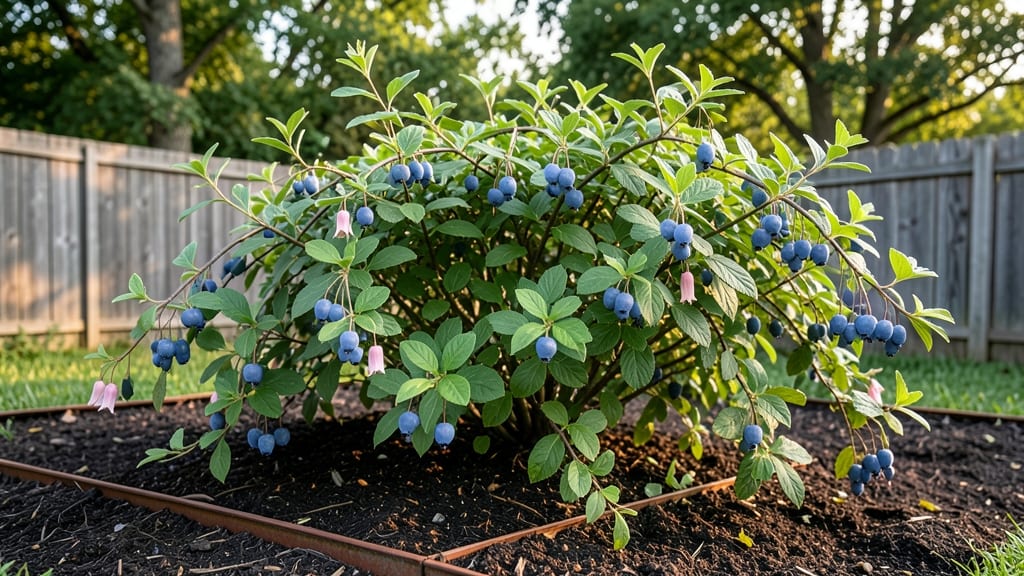
The blue honeyberry tree (Lonicera caerulea) needs smart pruning to burst with fruit—here’s how to coax those clusters of sweet-tart berries from every branch. 🌱 I’ve spent three years perfecting this method after my first winter prune left me with sparse blooms.
The key? Timing, cuts, and knowing which branches to keep (and which to sacrifice for the greater good).
This hardy shrub thrives in zones 2-6, but its fruit production hinges on two pruning sessions a year: a light cleanup in late winter and a heavier shape-up after harvest.
You’ll need sharp pruners, a ladder (for taller varieties), and about 30 minutes to transform a tangled mess into a fruit-producing powerhouse. The payoff? Juicy berries that taste like a mix of blueberry and raspberry, plus lush foliage that hummingbirds adore.
By summer, your pruned branches will be heavy with blue-black fruit, and next year’s harvest will outshine the first. The secret lies in thinning crowded stems, encouraging sunlight to reach the center, and avoiding the temptation to prune too late—wait until after the berries ripen in late summer.
Patience here means 50% more fruit in just one season.
Whether you’re working with a young sapling or an established shrub, these techniques adapt to any size. The same rules apply whether you’re pruning in a backyard, along a fence line, or in containers—just scale the tools.
Ready to turn your honeyberry into a berry-producing machine? Let’s get those branches in shape.
📚 In This Guide
- What you need
- Instructions
- Tips and common mistakes
- Wrapping up and next steps
What you need
- ● Pruning shears: Bypass pruners (sharp, clean, and disinfected with rubbing alcohol or bleach solution). Specs: 6–8" blades for small branches.
- ● Loppers: For branches ½"–1½" in diameter. Look for ratcheting or bypass types for precision.
- ● Pruning saw: For thicker branches (1½"–3"). A bow saw or folding pruning saw works best.
- ● Gloves: Heavy-duty, cut-resistant gloves (e.g., mechanics or gardening gloves) to protect hands.
- ● Disinfectant: 1 part bleach to 9 parts water (or 70% isopropyl alcohol) to sterilize tools between cuts and prevent disease.
- ● Rag or paper towels: For wiping tools and branches before/after pruning.
- ● Ladder or stool: Sturdy, non-slip (e.g., aluminum extension ladder or foldable step stool) for hard-to-reach branches.
- ○ Marking twine or tape: To flag branches for removal (optional but helpful for complex pruning).
- ● Hand pruners with ergonomic grips: Reduces hand fatigue during long sessions.
- ● Pole pruner: For branches 8–12 feet high (extends reach safely).
- ○ Tree wound dressing (optional): Pruning sealant (e.g., Tanglefoot Tree Wound Pruning Sealer) for large cuts (controversial—some experts say it’s unnecessary!).
- ● Notebook & pen: To sketch your tree’s structure or jot down pruning notes.
- ● Safety gear: Safety glasses and earplugs if working near power lines or in noisy areas.
- ● Compost bin or bags: For collecting pruned branches (great for mulch or disposal).
How to prune a blue honeyberry tree for maximum fruit production
Pruning this hardy shrub isn't just about shaping—it's about directing energy where it matters most.
🌿 Step 1: Time Your Pruning for Optimal Growth
Blue honeyberries thrive when pruned during their dormant season, typically in late winter to early spring before buds swell. This timing ensures you remove last year's growth while stimulating fresh, fruit-bearing branches. Avoid pruning in fall—new growth won't harden off before winter's chill.
Here's the thing—if you miss the dormant window, don't panic. A light pruning in early summer after fruiting is better than none at all. Just avoid heavy cuts then, as it stresses the plant when energy should be focused on fruit development.
✂️ Step 2: Remove Dead, Diseased, or Weak Wood First
Start by eliminating any dead, diseased, or crossing branches—these compete with healthy growth and invite pests. Use clean, sharp pruners to make cuts at a 45-degree angle, about ¼ inch above a healthy bud pointing in the direction you want new growth to emerge. This prevents water from pooling and rotting the wound.
I always scan for branches with cankers, discoloration, or hollow centers—these are red flags. Remove them completely down to the main stem. The goal is to open the center of the shrub for better airflow and sunlight penetration, which reduces fungal risks and boosts fruit quality.
🌱 Step 3: Thin Out Overcrowded Branches for Airflow
Blue honeyberries produce best when branches aren't competing for sunlight. Aim to maintain an open vase shape by selectively removing 10-20% of the oldest, thickest branches each year. Start with branches originating from the base—these are the most structurally demanding and often produce less fruit.
Watch for branches growing inward or rubbing against each other. These need to go first—they create wounds that attract disease. Cut back to the nearest outward-facing bud. You'll see a difference in fruit size and quantity within a season.
☀️ Step 4: Shape for Sunlight and Fruit Access
Step back and visualize how sunlight moves across your tree. Prune to create a multi-tiered structure—lower branches should be shorter to allow sunlight to reach fruit-bearing branches higher up. This encourages even ripening and reduces the risk of mold in shaded areas.
For mature trees, focus on lateral branches (those growing horizontally) as they produce the most fruit. Shorten overly long branches by ⅓ to ⅕ to promote bushier growth. Avoid "heading back" (cutting just above a leaf) unless you're training a young tree—it creates weak, leafy growth instead of fruit.
⏰ Step 5: Clean Up and Monitor for New Growth
After pruning, rake up and dispose of all clippings—don't compost them if disease is present. Sterilize your pruners with rubbing alcohol between cuts to prevent spreading pathogens. Now's the time to apply a balanced fertilizer (like 10-10-10) to support new growth.
Within 4-6 weeks, you should see fresh buds forming at the pruning cuts. If growth stalls, check for signs of stress like yellowing leaves or sparse budding—this could mean your cuts were too severe. Blue honeyberries are resilient, but they reward precision pruning with bigger berries and heavier yields.
Tips & tricks for pruning blue honeyberry trees
Mastering the art of pruning transforms your blue honeyberry tree from a tangled mess into a fruit-producing powerhouse. Here's what I've learned after years of trial and error in my own garden.
Timing is Everything: The late winter to early spring window (Step 1) is critical because it aligns with the tree's natural dormancy period. This timing prevents stressing the plant when it's already working hard to produce fruit. If you must prune outside this window, that early summer option (after fruiting) works—but remember, it should be light and never more than 10% of the plant's total growth. Too much summer pruning can shock the tree when it's already diverting energy to ripening berries.
Precision Cuts Prevent Problems: When making those 45-degree angle cuts in Step 2, visualize the direction you want new growth to emerge. I've ruined perfectly good branches by cutting too close to buds or at awkward angles—always make sure the bud you're leaving behind faces outward. For branches thicker than a pencil, make the cut just outside the branch collar (that swollen area where the branch meets the trunk) to ensure proper healing. This simple detail makes all the difference in preventing future dieback.
Structural Balance Creates Abundance: The open vase shape (Step 3) isn't just about looks—it's about sunlight distribution. I learned this after years of struggling with poor fruit sets on shaded branches. Focus on removing those base-originating branches first—they're often the most structurally demanding but least productive. Think of your tree like a well-lit painting gallery where every branch gets its moment in the sun. The 10-20% removal guideline is your safety net, but don't be afraid to exceed it if you're dealing with truly overcrowded growth.
Monitoring Aftercare Determines Success: Those 4-6 weeks (Step 5) are your true test of pruning success. Watch for fresh buds forming at your cuts—this is your tree's way of saying "thank you." If you don't see buds within this window, your cuts might have been too severe. Yellowing leaves or sparse budding are red flags that your tree is stressed. In these cases, reduce watering slightly and hold off on fertilizing until new growth appears—your tree needs to recover its energy reserves first.
Pro Tips for Blue Honeyberry Tree
- Mastering the art of pruning transforms your blue honeyberry tree from a tangled mess into a fruit-producing powerhouse.
- Timing is Everything: The late winter to early spring window (Step 1) is critical because it aligns with the tree's natural dormancy period.
- Precision Cuts Prevent Problems: When making those 45-degree angle cuts in Step 2, visualize the direction you want new growth to emerge.
Frequently asked questions
Got questions about pruning your blue honeyberry tree? You're not alone!
Here are some of the most common queries—and answers—to help you keep your tree thriving and fruitful.
When is the best time to prune a blue honeyberry tree?
The ideal time to prune is late winter or early spring, before new growth begins. This helps avoid spreading diseases and encourages strong branching. Avoid pruning in fall, as it can stimulate tender growth that may be damaged by frost. For established trees, light pruning can also be done in summer to shape the tree.
How much should I prune my blue honeyberry tree each year?
Remove no more than 20-25% of the tree’s foliage in a single pruning session. Focus on dead, diseased, or crossing branches first, then thin out crowded areas to improve airflow. Over-pruning can stress the tree and reduce fruit production. For young trees, prioritize structural shaping over heavy cuts.
Will pruning my blue honeyberry tree increase fruit production?
Yes! Proper pruning improves fruit yield by promoting airflow, sunlight penetration, and stronger branch development. Removing weak or overcrowded growth redirects energy to fruit-bearing branches. Just avoid heavy pruning in fruiting years—balance is key for long-term productivity.
What should I do if my blue honeyberry tree isn’t fruiting after pruning?
Check these common issues: lack of sunlight (needs 6+ hours/day), over-fertilization (too much nitrogen = leafy growth, not fruit), or young age (trees take 2-3 years to fruit). If branches are too dense, thin them further. For older trees, consider a rejuvenation pruning (light cuts over 2-3 years).
Can I prune a blue honeyberry tree in containers or small spaces?
Container-grown trees
need regular pruning to control size—trim back by 1/3 annually to encourage bushier growth. Use dwarf varieties if space is tight, and prune to maintain an open center. Just ensure the container has good drainage and adequate sunlight, as root-bound trees fruit poorly.
Wrapping up and next steps
Pruning your blue honeyberry tree doesn’t have to be intimidating—with the right tools, timing, and techniques, you’ll unlock a bounty of sweet, vibrant fruit while keeping your tree healthy and thriving! 🌿 By focusing on open-center shaping, removing deadwood, and balancing growth, you’re setting the stage for years of delicious harvests.
Now that you’re equipped with expert tips, grab those pruners and get ready to transform your tree into a fruit-bearing powerhouse.
Ready to take the next step? Start small—dedicate one weekend morning to prune just a few branches, observe how your tree responds, and adjust your approach as you go. Happy pruning, and may your blue honeyberries be plentiful! 🍇✨