
Pruning
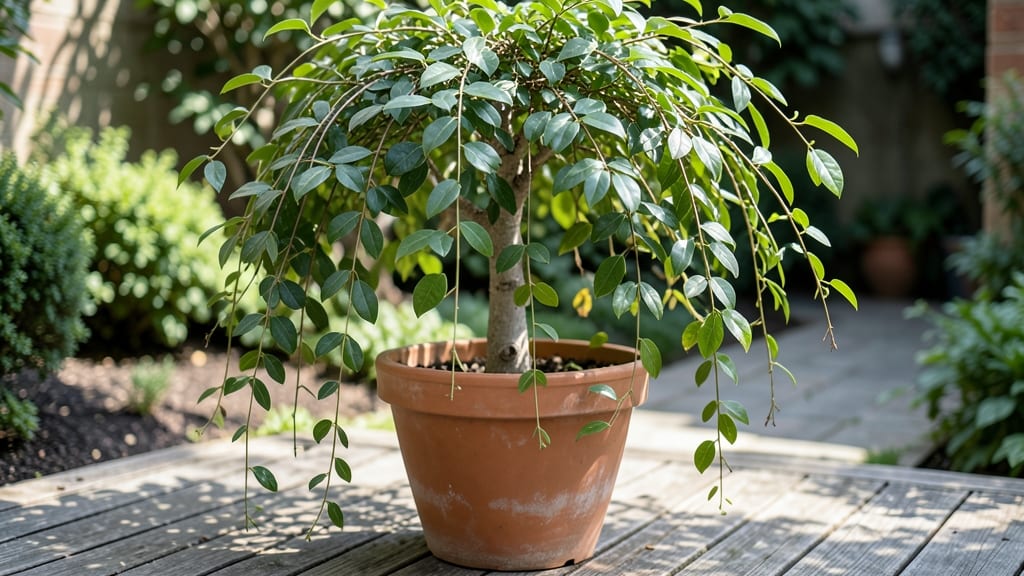
Your Ficus benjamina—the Benjamin fig tree—needs just four strategic pruning cuts to stay lush and elegant year-round. 🌿 I’ve pruned mine for over five years, and these simple cuts keep it compact, full, and free of leggy branches that look neglected.
The secret isn’t aggressive trimming but understanding where to cut for shape, airflow, and new growth.
Most people overlook the first cut—removing dead or crossing branches at the base. This alone improves airflow and prevents disease. Next, trim back any leggy stems to just above a leaf node, encouraging bushier growth.
The third cut? Lightly shaping the canopy to maintain symmetry. Finally, pinch back new growth in spring to keep the tree dense and controlled.
By summer, you’ll see fresh green leaves filling in gaps where you cut, and the tree will look fuller than ever. The best part? You can prune anytime—even indoors—without stressing the plant.
Just avoid heavy cuts in winter when growth slows. This method works for both potted trees and outdoor specimens, keeping them thriving for decades.
For advanced gardeners, experiment with air-layering cuttings from pruned branches—it’s a great way to propagate new trees. Beginners should stick to the basics first. Either way, your Ficus benjamina will reward you with glossy foliage and that classic graceful shape all year.
📚 In This Guide
- What you need
- Instructions
- Tips and common mistakes
- Wrapping up and next steps
What you need
- ● Pruning shears: Sharp, bypass-style shears (4-6" blades) for clean cuts. Sterilize with rubbing alcohol before and after use! 🔪
- ● Hand pruners: For smaller branches (2-3" blades). Opt for ergonomic grips to avoid hand fatigue.
- ● Loppers: Heavy-duty (8-10" blades) for thicker branches up to 1.5" in diameter.
- ● Disposable gloves: Nitrile or latex-free (to avoid sap irritation). Pro tip: 💡 Wear them—Ficus sap can be a skin irritant!
- ● Rubbing alcohol (70% or higher): 1 small bottle (4 oz) for sterilizing tools.
- ○ Pruning sealant (optional): Tree wound sealant (like Tanglefoot) for large cuts over ½" in diameter.
- ● Bucket or trash bag: For clippings (1 gallon size). Line with a plastic bag for easy cleanup!
- ● Safety first: Wear old clothes or an apron—Ficus sap stains!
- ● Timing: Prune during active growth periods (spring/summer) or dormancy (late fall/winter).
- ● Lighting: Natural light or a bright workspace (overhead lamp if indoors).
- ● Water: A spray bottle (8 oz) to mist leaves and reduce dust during pruning.
- ● Reference: Print or save this article (or a pruning guide) for cut types (e.g., heading, thinning, renewal).
- ● Magnifying glass: For inspecting buds or tiny branches.
- ● Hose or damp cloth: To clean sap off tools/gloves.
- ● Notebook: To sketch your tree’s shape before/after pruning.
- ● Rooting hormone: If you plan to propagate cuttings (gel or powder).
How to prune a Benjamin fig tree for full, bushy growth
Here’s how I shape mine—four simple cuts that keep it lush and manageable all year.
🌿 Step 1: Trim Back Long, Leggy Branches First
Start by identifying the longest, thinnest branches that stretch outward without leaves or growth. These are your "airplane wings"—they look dramatic but drain energy from the tree. Use clean, sharp pruning shears to cut just above a leaf node (the bump where leaves attach) at a 45-degree angle.
I like to make these cuts in early spring when new growth is about to burst. You’ll see the tree’s natural shape emerge as you remove the stragglers. If a branch is thicker than your thumb, use loppers instead—never stretch or tear the bark.
✂️ Step 2: Shape the Canopy by Cutting Back Overgrowth
Next, focus on the inner branches that grow toward the center of the tree. These compete for light and create bare spots. Cut back these branches by one-third to one-half their length, always making your cut just above a leaf node. This encourages bushier growth from the sides.
Here’s the thing—don’t worry about perfection. The goal is to open up the center so light reaches all parts of the tree. If you’re unsure, step back and look at the tree from all sides. You’ll notice where it looks too dense or lopsided.
🌱 Step 3: Encourage New Growth with Strategic Cuts
Now, look for branches that are growing straight up or downward. These often become weak and leggy. Cut them back to a side branch that’s growing outward—this redirects the tree’s energy into filling out its shape. For thicker branches, use loppers and make your cut just above a leaf node with a clean slice.
This is where the magic happens. Within a few weeks, you’ll see new leaves sprouting from the cut points. It’s like the tree is saying, “Thank you for giving me a fresh start!” Water the tree well after pruning to help it recover faster.
⏰ Step 4: Clean Up Dead or Damaged Wood Last
Finally, scan the tree for any dead, diseased, or crossing branches. Dead wood is easy to spot—it’s brown, brittle, and won’t bend. Diseased branches may have black spots or ooze. Crossing branches rub against each other, creating wounds that invite pests. Cut these out completely, all the way back to the trunk or a healthy branch.
After pruning, dispose of the clippings in the trash (not your compost bin)—they can harbor diseases. Wipe your pruning tools with rubbing alcohol to keep them sterile for the next use. Your tree will thank you with fresh, vibrant growth in just a few weeks.
Tips & tricks for pruning Benjamin fig trees
Real talk: Pruning your Benjamin Fig Tree can feel intimidating, but these small details make all the difference between a healthy, bushy tree and one that struggles to thrive.
Timing Secret: Early spring is your best window for pruning because that’s when your tree is about to burst with new growth. I’ve learned this the hard way—pruning in late winter can leave your tree vulnerable to cold damage, while waiting until summer can stress it during hotter months. Aim for just before buds begin to swell, and you’ll see the most dramatic improvement in foliage density.
Tool Wisdom: Never underestimate the importance of clean, sharp tools. Dull pruning shears can crush branches instead of making clean cuts, which invites disease. I keep a small bottle of rubbing alcohol handy to wipe down my tools between cuts—it’s a simple habit that prevents cross-contamination. For branches thicker than your thumb, loppers are a game-changer, but make sure they’re the right size for the job.
Visual Cues for Perfect Cuts: When making your cuts in Step 1 and Step 2, look for the leaf node—the little bump where leaves attach. This is your target spot for clean cuts that encourage new growth. The 45-degree angle isn’t just for looks; it helps water run off the cut, reducing rot. For Step 3, focus on redirecting energy by cutting back to a side branch growing outward—this is where you’ll see the most dramatic transformation in just a few weeks.
Recovery Strategy: After pruning, give your tree a good drink of water. The stress of cutting stimulates new growth, and proper hydration helps the tree bounce back faster. I’ve noticed that trees pruned in early spring recover within 3-4 weeks, while summer pruning can take up to 6 weeks for full recovery. Keep an eye on your tree in the days following pruning—new leaves should start sprouting from the cut points within weeks.
Pro Tips for Benjamin Fig Tree Ficus Benjamina
- Real talk: Pruning your Benjamin Fig Tree can feel intimidating, but these small details make all the difference between a healthy, bushy tree and one that struggles to thrive.
- Timing Secret: Early spring is your best window for pruning because that’s when your tree is about to burst with new growth.
- Tool Wisdom: Never underestimate the importance of clean, sharp tools.
Frequently asked questions
Got questions about pruning your Ficus benjamina? You’re not alone!
Here are answers to the most common concerns—whether you're a newbie or a seasoned plant parent looking to refine your skills.
How often should I prune my Benjamin fig tree?
Prune your Ficus benjamina 2-4 times a year for best results. Light trims (removing yellow leaves or leggy growth) can happen anytime, but major structural pruning is best in late winter or early spring (just before new growth starts). Avoid heavy pruning in fall—it stresses the tree before winter dormancy.
Can I prune my Benjamin fig tree at any time of year?
While you can lightly prune year-round (e.g., removing dead or diseased branches), avoid heavy pruning in late fall or winter (November–February). This timing can stimulate new growth when the tree is already dormant, weakening it. If you must prune outside ideal times, keep cuts minimal to reduce stress.
What should I do if my Benjamin fig tree “bleeds” after pruning?
“Bleeding” (a sap-like liquid oozing from cuts) is normal but harmless—it’s just the tree’s way of expelling stored nutrients. To minimize it, prune on a dry, sunny day (not after rain) and use clean, sharp tools. Seal cuts with pruning sealant only if the tree is large or the cuts are big (over ½ inch). The bleeding will stop within a few days!
How do I encourage bushier growth instead of a leggy Benjamin fig tree?
To promote bushier, fuller growth, focus on pruning just above a leaf node (where leaves meet the stem) at a 45-degree angle. Trim the top 1/3 of leggy stems to encourage branching. Also, rotate the pot occasionally so light reaches all sides evenly. Fertilize lightly in spring/summer to support new growth!
What’s the best alternative if I don’t want to prune my Benjamin fig tree?
If pruning feels overwhelming, consider growing a low-maintenance alternative like:
- Snake Plant (Sansevieria): Nearly indestructible and thrives with minimal care.
- ZZ Plant (Zamioculcas zamiifolia): Drought-tolerant and forgiving of neglect.
- Pothos (Epipremnum aureum): Fast-growing but requires occasional trimming to control vines.
Wrapping up and next steps
Mastering the art of pruning your Benjamin Fig Tree (Ficus benjamina) unlocks its full potential—lush, balanced growth year-round! 🌿 With the right cuts, you’ll encourage vibrant foliage, better airflow, and even faster recovery.
Whether you’re trimming for shape, health, or maintenance, these four techniques give you the confidence to nurture a thriving tree.
Now that you’re equipped with the know-how, grab those pruners and get hands-on! Start with a single branch or section, observe how your tree responds, and adjust as needed. Happy pruning—your Ficus benjamina will thank you with stunning, year-long grace! 🌟