
Planting
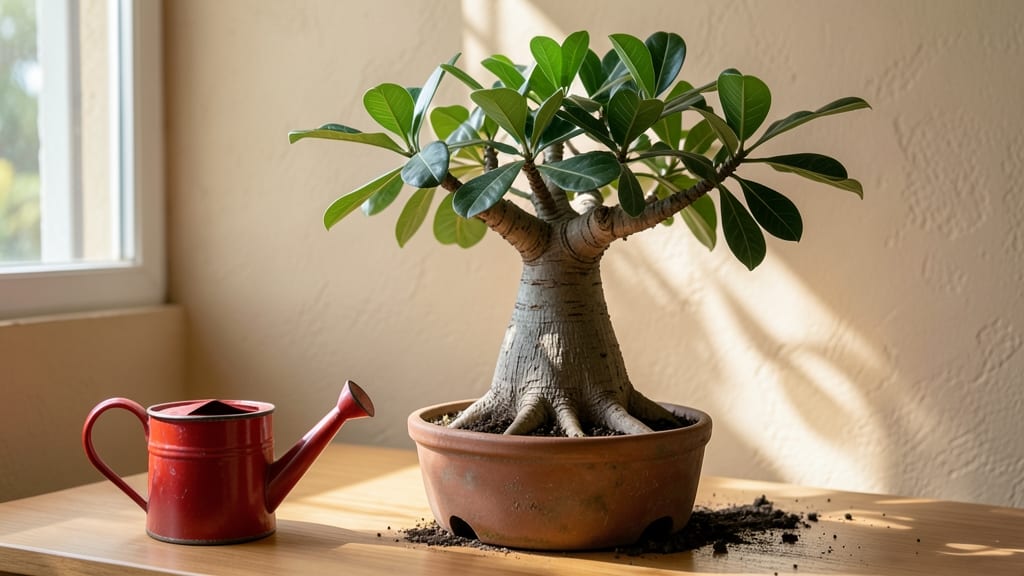
Growing a baobab tree house plant indoors is like nurturing a desert survivor in your living room—its thick trunk and slow growth make it a conversation piece, but only if you mimic its natural conditions.
I’ve kept mine thriving for years by treating it like a cactus with roots: minimal water, bright light, and cool nights. The key isn’t just patience—it’s understanding its dormancy cycle, where growth slows in winter and picks up again in spring.
You’ll need a large container (at least 12 inches wide) with drainage holes, a fast-draining cactus mix, and a sunny spot near a south-facing window. Overwatering is the #1 killer—let the soil dry completely between waterings, even in summer.
Pruning isn’t necessary unless you want to shape it, but if you do, wait until spring when new growth appears. The slow growth is part of its charm, but it’s also why it’s a long-term commitment.
What you’ll end up with is a miniature desert giant that rewards your care with a sturdy trunk and occasional small, star-shaped flowers. The roots stay cool and content, just like they would in its native habitat, while the top stays warm and basking in light.
It’s not a fast plant, but the satisfaction of watching it grow—even just a few inches a year—is unmatched.
This isn’t a plant for impatient gardeners, but if you’re willing to embrace its slow pace, it becomes a living piece of art that outlives most houseplants. The trade-off?
It’ll never be a tropical showstopper—it’s a desert relic, happy to thrive on neglect as long as you meet its basic needs. Ready to give it a try?
📚 In This Guide
- What you need
- Instructions
- Tips and common mistakes
- Wrapping up and next steps
What you need
- ● Baobab plant: A healthy dwarf baobab (e.g., Adansonia spp. or Brachychiton rupestre) from a nursery (ensure it’s potted, 12–24" tall).
- ● Well-draining potting mix: 50% cactus/succulent soil + 30% perlite + 20% coarse sand (or pre-mixed "baobab blend" if available). Quantity: 2–3 gallons per 12" pot.
- ● Pot with drainage holes: Terracotta or ceramic (14–18" diameter for mature plants; 8–10" for seedlings). Note: Baobabs hate soggy roots!
- ● Slow-release fertilizer: Balanced 10-10-10 or succulent-specific granules (apply at planting).
- ● Grow lights or sunny window: South/west-facing window (6+ hours of light) or full-spectrum LED grow lights (12–14 hours/day).
- ● Watering can with narrow spout: For precise hydration (avoid overhead watering).
- ● Pruning shears: Sterilized, sharp shears (for shaping or propagation).
- ○ Humidity tray: Pebbles + water (optional for dry climates).
- ● Thermometer/hygrometer: To monitor temps (ideal: 65–85°F; avoid below 50°F).
- ● Rooting hormone: For propagating cuttings (if expanding your collection).
- ● Decorative stones or mulch: For aesthetic pots (ensure they’re sterile).
- ● Support stake: Only for top-heavy plants (use sparingly—baobabs are sturdy!).
Step-by-Step guide to reviving and caring for a baobab tree house plant
Cold-stressed roots won’t stop this resilient plant from thriving—just follow these steps.
Assess and Warm the Roots
First, gently remove the baobab from its pot to examine the roots. Look for any signs of cold damage—roots that appear mushy, blackened, or overly soft need immediate attention. If the roots feel firm but cold, they’ve likely just been chilled rather than damaged.
Fill a basin with room-temperature water and let the roots soak for 10-15 minutes. This helps revive any cold-stressed areas without shocking the plant further. Avoid using hot water—it can cause additional stress. While soaking, inspect the root ball for compacted soil or signs of rot.
If the roots are healthy but cold, you can gently brush away excess soil to encourage airflow and warmth. If they’re severely damaged, trim away any blackened or mushy sections with sterilized pruning shears, leaving only firm, white or light-colored roots intact.
Repot with Fresh, Well-Draining Soil
Choose a pot just 1-2 inches larger in diameter than the current one—baobab trees prefer being slightly root-bound. Fill the bottom 2 inches with a cactus/succulent mix to ensure excellent drainage, as these plants hate soggy roots.
Add a layer of perlite or pumice on top of the drainage mix to further prevent waterlogging. This step is critical—baobab trees are drought-tolerant but cannot recover from root rot. Mix the remaining cactus/succulent soil with a slow-release fertilizer (follow package rates) to give your plant a nutrient boost as it recovers.
Place the baobab in the pot and fill in around the roots with the soil mixture, pressing gently to eliminate air pockets. Leave the soil surface slightly below the pot’s rim to avoid overwatering during the next step.
Adjust Light and Temperature Gradually
Baobab trees thrive in bright, indirect light but can handle direct sunlight once fully recovered. Start by placing the plant in a spot with morning sun and afternoon shade for 3-5 days to avoid sudden light shock. If you notice leaves turning pale or yellowing, it’s a sign of too much direct sun—move it back slightly.
Keep the environment warm (70-85°F) and avoid drafts, including air conditioning vents or cold windows. If your home tends to be cool, consider using a small heating mat under the pot for the first week to encourage root warmth and stability.
Wait 7-10 days before watering again. Stick your finger 1 inch deep into the soil—if it feels dry, give the plant a deep watering until water drains freely from the bottom. After that, water only when the top 2 inches of soil are completely dry.
Monitor Growth and Adjust Care
Watch for new growth as a sign your baobab is recovering. Healthy new leaves should be deep green and firm, not wrinkled or yellow. If you see slow growth or wilting, check the soil moisture—overwatering is the most common issue with baobab trees.
Fertilize lightly every 4-6 weeks during the growing season (spring and summer) with a balanced, diluted liquid fertilizer. Reduce or stop fertilizing in fall and winter, as growth slows significantly. Prune any dead or damaged branches with sterilized shears to encourage new, healthy growth.
Rotate the pot quarter-turn weekly to ensure even light exposure. This prevents the plant from leaning toward the light source, keeping its structure strong and balanced. With consistent care, your baobab will bounce back and thrive indoors for years.
Tips & tricks for reviving cold-stressed baobab roots
These simple tricks will help your baobab bounce back stronger than ever after cold stress.
Root Revival Technique: During the 10-15 minute soak in Step 1, add a few drops of hydrogen peroxide (3%) to the water—this helps disinfect any minor root damage while reviving cold-stressed areas. The solution should be very dilute (just a splash), and you can skip this if you don't have it. After soaking, gently squeeze out excess water to prevent waterlogging during repotting.
Soil Inspection Tip: When examining roots in Step 1, look for a healthy color—firm roots should be white or light tan. Any roots with brown or black spots need trimming immediately, but don't panic if you see some discoloration. Baobabs are tough, and healthy roots will regenerate quickly once properly cared for in the new pot.
Temperature Transition: After repotting in Step 2, place the plant near a warm spot (like above a refrigerator or near a sunny window) for the first 72 hours. The 70-85°F range is ideal, but a temporary boost to 85°F helps jumpstart recovery. Just avoid direct heat sources that could dry out the soil too quickly.
Light Adjustment: For the initial 3-5 days in Step 3, if you don't have morning sun available, use a grow light for 6-8 hours daily. Baobabs need bright light to recover, and artificial light prevents leaf scorch while you transition to natural light. Position the light 12-18 inches above the plant for even coverage.
Pro Tips for Baobab Tree House Plant
- These simple tricks will help your baobab bounce back stronger than ever after cold stress.
- Root Revival Technique: During the 10-15 minute soak in Step 1, add a few drops of hydrogen peroxide (3%) to the water—this helps disinfect any minor root damage while reviving cold-stressed areas.
- Soil Inspection Tip: When examining roots in Step 1, look for a healthy color—firm roots should be white or light tan.
Frequently asked questions
Got questions about growing a baobab tree house plant indoors?
Here are answers to the most common ones—from cold-weather worries to care hacks—so you can keep your Adansonia thriving!
Can a baobab tree survive cold indoor temperatures?
A baobab tree house plant (like Adansonia digitata) is tropical at heart and hates cold drafts. Keep it above 55°F (13°C)—away from AC vents, windows in winter, or unheated rooms. If your home dips below 50°F (10°C), move it to a warmer spot or use a small space heater nearby. Pro tip: Grouping plants creates a microclimate that retains warmth!
What do I do if my baobab’s roots look stressed from cold?
Cold-stressed roots may turn dark, mushy, or stop growing. First, trim any blackened roots with sterilized scissors. Repot in fresh, well-draining soil (cactus/succulent mix works) and avoid watering for 3–5 days to prevent rot. If the stress is severe, consider a root hormone treatment to encourage regrowth. Monitor for yellowing leaves—a sign of recovery!
Is a baobab tree house plant better as a houseplant or outdoors?
While baobabs love outdoor heat and sun, many dwarf varieties (like Adansonia perrieri) adapt well indoors with bright, indirect light (south/west-facing windows). Outdoors, they thrive in USDA Zones 10–12, but indoors, they’re low-maintenance slow-growers. Just rotate the pot monthly for even growth!
How often should I water a baobab tree house plant?
Baobabs store water in their trunks, so they’re drought-tolerant! Water only when the top 2–3 inches of soil are bone-dry (about every 2–4 weeks in winter, weekly in summer). Overwatering is the #1 killer—use a pot with drainage holes and empty saucers after watering. Pro tip: Stick your finger in the soil; if it’s damp, wait!
Can I grow a baobab from seed indoors?
Start with fresh, untreated seeds (soak in warm water for 24 hours to soften the shell). Plant in sandy, well-draining soil and keep warm (75–85°F / 24–29°C) with a humidity dome. Germination takes 2–6 weeks. Once sprouted, reduce watering and move to bright light. Warning: Patience is key—growth is slow!
Where can I buy a baobab tree house plant?
Look for dwarf baobab varieties at specialty nurseries, online plant shops (Etsy, The Sill), or succulent retailers. Avoid big-box stores—they often carry non-hardy species. Check reviews for healthy, pest-free plants with thick trunks (a sign of maturity). Pro tip: Ask about seed sources if you want to grow from scratch!
Wrapping up and next steps
Growing a baobab tree house plant indoors is a rewarding challenge that blends patience with the joy of nurturing something extraordinary! 🌱 With the right care—like mimicking its cold-stressed roots, providing bright light, and balancing moisture—you can cultivate a resilient, unique plant that thrives even in cozy spaces.
Remember, consistency is key, and soon, your baobab will reward you with its striking beauty and fascinating character.
Ready to take the next step? Start small: pick your baobab variety, gather your supplies, and give it a try! Even if you’re new to plant parenting, this hardy friend will guide you along the way. Happy planting! 🌟