
Trees
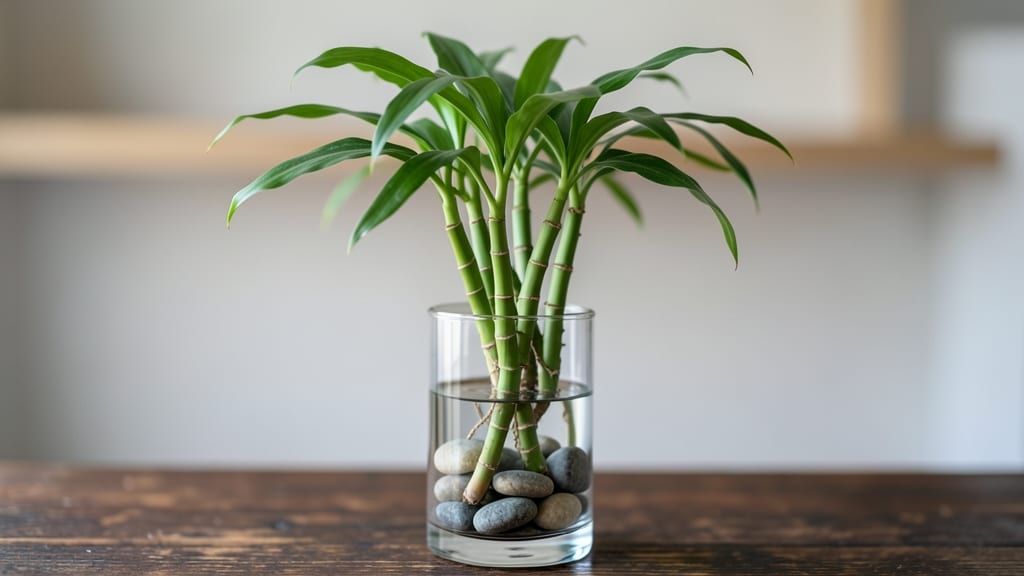
The bamboo trees in pots on my balcony have transformed it into a thriving mini jungle—all without the hassle of invasive roots. The key is choosing clumping varieties like Bambusa multiplex or Fargesia, which stay contained even in 15-gallon containers.
These species grow 3-5 feet tall in pots, perfect for urban balconies where spreading roots would be a nightmare. I learned this the hard way after my first running bamboo nearly strangled a neighbor’s sidewalk (long story).
Start with a well-draining mix of potting soil and perlite, and pick a pot 2-3 times wider than the plant’s root ball to prevent crowding. Drainage holes are non-negotiable—root rot will kill your bamboo faster than underwatering ever could.
A root barrier (like a plastic pot liner) gives extra security if you’re nervous about containment, though clumping types rarely need it. My first pot lasted two years before I upgraded, and the plant just kept thriving.
Place your potted bamboo where it gets morning sun and afternoon shade, especially in hotter zones. Water when the top inch of soil feels dry—overwatering is the #1 killer of container bamboo.
Prune leggy canes in early spring to encourage bushier growth, and fertilize lightly with balanced 10-10-10 in spring and summer. By summer’s end, you’ll have a vibrant, manageable tropical accent that outshines any store-bought plant.
For winter care, move pots to a sheltered spot if temperatures drop below 20°F, and reduce watering. Repot every 2-3 years when roots circle the container, and watch your balcony transform into a serene, high-impact green space without the hassle.
The secret? Patience and the right variety—no black thumbs required.
📚 In This Guide
- What you need
- Instructions
- Tips and common mistakes
- Wrapping up and next steps
What you need
- ● Bamboo plant: Choose clumping bamboo (e.g., Fargesia or Bambusa species) for pot-friendly growth. Avoid running bamboo—it’s invasive! 🚫
- ● Pot: Minimum 12–18 inches in diameter (deeper for taller varieties).
- ● Drainage holes are a must—no exceptions! 💦
- ● Material: Terracotta, ceramic, or plastic (terracotta wicks away moisture best).
- ● Potting mix: 60% well-draining soil (cactus/succulent mix or loamy soil) + 40% perlite/orchid bark for aeration.
- ● Mulch: 2–3 inches of pine bark or coconut coir to retain moisture and suppress weeds.
- ● Basic gardening tools: Trowel or small shovel
- ○ Gloves (optional but highly recommended—bamboo can be prickly!)
- ● Pruners (sterilized with rubbing alcohol)
- ● Watering can or hose with a gentle spray nozzle (avoid over-saturating!).
- ● Fertilizer: Balanced liquid fertilizer (10-10-10) or slow-release bamboo-specific pellets.
- ○ Support (optional): Bamboo stakes or a small trellis for taller varieties.
- ● Twine or soft plant ties to secure stems.
- ● Sunlight assessment: Confirm your balcony gets 4–6 hours of indirect light daily (most bamboo thrives here!). ☀️
- ○ Root barrier: Line the pot with landscape fabric (optional but reduces root circling in small pots).
- ● Drip tray: Place a saucer under the pot to catch excess water and protect your balcony!
- ● Seasonal swaps: In winter, move pots to a sheltered spot if temps drop below 20°F (-7°C).
Step-by-Step guide for growing bamboo in containers
Here’s how to cultivate lush, contained bamboo that thrives in limited balcony spaces.
Select the Right Bamboo Variety for Containers
Not all bamboo suits pots—choose clumping types like Bambusa multiplex or Fargesia murielae, which naturally stay compact. Running bamboo (e.g., Phyllostachys) spreads aggressively and needs root barriers or frequent pruning. Verify your selection’s mature height and spread to ensure it fits your space.
I always check the plant tag for "clumping" labels before buying. These varieties rarely exceed 4–6 feet tall in containers, making them ideal for balconies. Avoid bamboo marketed as "dwarf"—many are still running types in disguise. Measure your pot’s diameter against the plant’s spread at maturity; a 12–18 inch gap ensures roots won’t outgrow their home.
Prepare the Container and Soil for Optimal Growth
Use a 10–15 gallon pot with drainage holes—bamboo roots rot quickly in soggy conditions. Fill the bottom 2–3 inches with gravel or broken pottery to improve drainage. The soil mix should be 60% potting soil, 30% perlite, and 10% compost for aeration and nutrients.
I like to pre-moisten the mix before planting to eliminate air pockets. Press the soil gently around the roots but avoid compacting it—bamboo roots need space to spread horizontally. Add a slow-release fertilizer (10-10-10) mixed into the top 2 inches of soil to kickstart growth. Never use garden soil; its density stunts root development.
Plant and Position for Maximum Sunlight
Dig a hole twice as wide as the bamboo’s root ball but no deeper. Place the plant so the top of the root ball sits 1 inch below the pot’s rim. Backfill with soil, pressing lightly to remove gaps. Water deeply until it drains from the bottom—this settles the roots and removes air pockets.
Bamboo thrives in partial shade to full sun, depending on the variety. Most clumping types tolerate 4–6 hours of morning sun but need afternoon shade in hot climates. If your balcony faces west or south, position the pot where it gets filtered light to prevent leaf scorch. Rotate the pot quarter-turn weekly to encourage even growth.
Water and Fertilize for Year-Round Health
Keep the soil evenly moist but never waterlogged. Stick your finger 2 inches deep—water when it feels dry. In summer, I water every 2–3 days; in winter, once a week is usually enough. Overwatering causes yellow leaves and root rot, while underwatering leads to crispy edges.
Fertilize monthly during spring and summer with a balanced liquid fertilizer (diluted to half strength). Reduce feeding in fall and winter. I’ve found that bamboo responds best to foliar sprays in dry climates—misting leaves with diluted fertilizer weekly mimics natural humidity and boosts growth.
Prune and Maintain for Compact, Controlled Growth
Trim 1–2 inches from the tips of new shoots in early spring to encourage bushier growth. Remove any yellow or dead leaves immediately—they drain energy. If the bamboo outgrows its pot (visible roots circling the bottom), it’s time to repot or divide the clump.
Divide every 2–3 years in early spring. Lift the plant, separate the root sections with a clean knife, and replant the healthiest clumps. This rejuvenates growth and prevents the pot from becoming root-bound. Mulch the soil surface with 1 inch of bark chips to retain moisture and suppress weeds.
Tips & tricks for perfect bamboo trees in pots
Between us, container-grown bamboo thrives when you pay attention to details most gardeners overlook. Here's what nobody tells you about keeping these plants happy in limited spaces.
Variety Verification: The 4-6 foot height limit for clumping bamboo in Step 1 is a guideline, but some nurseries mislabel plants. Look for "culm" (stem) thickness—thinner than a pencil means it's more compact. I’ve seen "dwarf" Fargesia varieties grow to 8 feet in ideal conditions, so always ask for the mature spread measurement from the grower. This prevents the "surprise overgrowth" I’ve seen too many times.
Soil Science: The 60-30-10 soil mix in Step 2 works wonders, but here’s the secret: sterilize your potting soil first. Microwave it in a bag for 2 minutes to kill fungus gnats and pathogens that thrive in bamboo’s moist environment. I also add a handful of worm castings to the compost portion—this boosts microbial activity without altering the mix’s structure.
Sunlight Strategy: That quarter-turn weekly rotation in Step 3 isn’t just about even growth—it’s a growth regulator. Bamboo stems grow toward light, so rotating prevents lopsided clumps. For west-facing balconies, I use a sheer white curtain to diffuse the afternoon sun during peak summer months, which prevents leaf scorch while still providing enough light for photosynthesis.
Watering Wisdom: The 2-inch deep finger test in Step 4 is foolproof, but there’s a trick: use your index finger to press gently—if the soil feels like a damp sponge, it’s perfect. If it sticks to your finger like wet sand, you’ve overwatered. In winter, I reduce watering further to once every 10-12 days, as bamboo’s growth slows dramatically in cooler months. This prevents the yellowing leaves I’ve seen from overzealous winter watering.
Pro Tips for Bamboo Trees In Pots
- Between us, container-grown bamboo thrives when you pay attention to details most gardeners overlook.
- Variety Verification: The 4-6 foot height limit for clumping bamboo in Step 1 is a guideline, but some nurseries mislabel plants.
- Soil Science: The 60-30-10 soil mix in Step 2 works wonders, but here’s the secret: sterilize your potting soil first.
Frequently asked questions
Got questions about growing bamboo in pots? You’re not alone—many gardeners wonder how to keep these fast-growing plants happy in small spaces. Here are some of the most common questions (and answers!) to help you master bamboo trees in pots like a pro.
What type of bamboo grows best in pots?
Clumping bamboo (like Fargesia or Bambusa varieties) is the best choice for pots because it doesn’t spread aggressively. Avoid running bamboo (e.g., Phyllostachys), which can escape and invade your yard. Look for dwarf or compact species labeled "potted bamboo" for guaranteed success!
How big should the pot be for bamboo?
Start with a pot at least 12–18 inches wide and deep for small clumping bamboo. Larger varieties (like Fargesia robusta) need 20+ inches of space. Use a pot 10–20% larger than the plant’s root ball to prevent overcrowding. Remember: Bigger pots = slower growth but more stability!
How often should I repot bamboo in pots?
Repot every 2–3 years or when roots circle the pot’s base. Spring is the ideal time—wait until new shoots appear. Use fresh, well-draining soil (like a mix of potting soil and perlite) and choose a pot 2–3 inches larger in diameter. Pro tip: Trim 1/3 of the roots during repotting to encourage healthier growth!
Why is my potted bamboo turning yellow or brown?
Yellowing leaves often mean overwatering or poor drainage. Brown tips? It’s likely underwatering or low humidity. Check the soil moisture—it should stay evenly moist but not soggy. Ensure your pot has drainage holes and consider misting leaves or placing a tray of water nearby to boost humidity.
Can I keep bamboo in pots indoors year-round?
Most bamboo thrives outdoors, but hardy clumping types (like Fargesia murielae) can survive indoors near bright, indirect light (e.g., a sunroom or east-facing window). If indoors, expect slower growth and more frequent watering. For best results, move pots outside in spring/summer and bring them back in before frost.
What can I do if my bamboo outgrows its pot too quickly?
If your bamboo grows faster than you’d like, prune it annually in late winter/early spring. Cut back 1/3 of the oldest canes to redirect energy to new growth. For extreme cases, consider root pruning (gently trimming roots during repotting) or choosing a slower-growing variety next time.
Wrapping up and next steps
Growing bamboo trees in pots is a rewarding way to bring lush greenery to small spaces—whether it’s your balcony, patio, or windowsill! 🌿 With the right clumping bamboo varieties, proper soil, and a little care, you’ll enjoy their elegant, fast-growing beauty without the worry of invasive spread.
Remember, regular pruning, adequate sunlight, and well-draining pots are your secret weapons for thriving potted bamboo.
Now that you’re armed with the know-how, why not take the next step? Grab a pot, pick your favorite variety, and start your mini bamboo oasis today! Share your progress with fellow plant lovers—your green thumb might inspire someone else to grow too. Happy gardening! 🌱✨