
Pruning
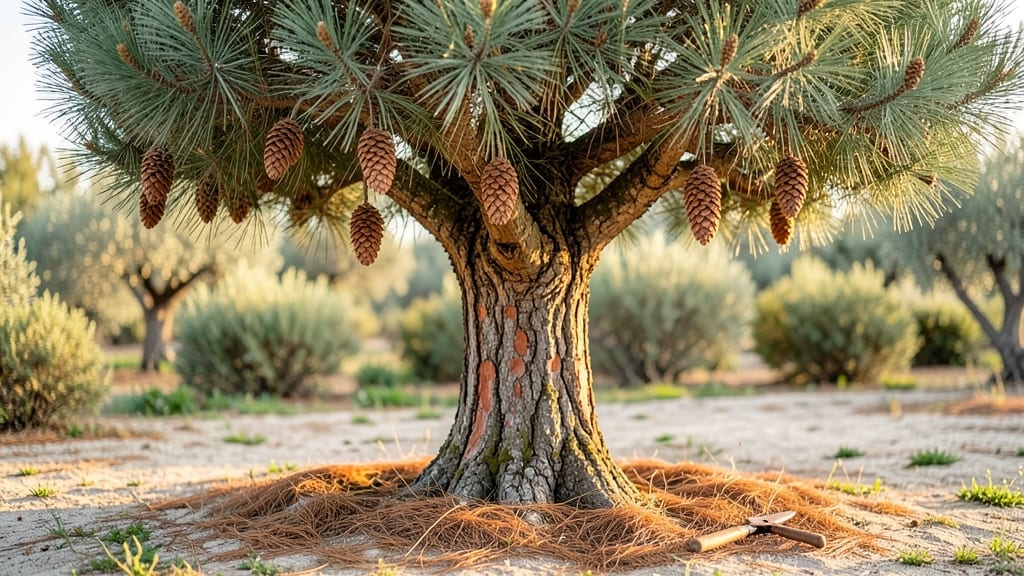
The ball pine tree (Pinus bungeana) transforms any yard with its striking blue-green needles and rounded shape. I’ve pruned mine for years, and the secret to keeping it lush isn’t seasonal—it’s year-round attention to shape and health.
This isn’t about drastic cuts; it’s about encouraging strong growth by removing just the right branches at the right time.
You’ll need basic tools—a sharp pruning saw for thicker branches and bypass pruners for finer work—and a clear understanding of where to cut.
Ball pines thrive in well-draining soil with full sun, but their real magic happens when you prune strategically: thin out crowded branches in spring, shape lightly in summer, and clean up dead growth in winter. The goal? A tree that looks full and vibrant without overpowering your landscape.
What you’ll end up with is a tree that stands out in every season—darker green in summer, rusty orange cones in fall, and snow-dusted branches in winter.
The pruning keeps it compact, encourages new growth, and prevents those pesky yellowing needles that signal stress. Plus, it’s easier than you think: no complex techniques, just consistent care.
Works for urban yards, rural landscapes, or even large containers if you’re short on space. The key is patience—ball pines grow slowly, but with the right pruning, they’ll reward you for years. Let’s get started with the basics that make all the difference.
📚 In This Guide
- What you need
- Instructions
- Tips and common mistakes
- Wrapping up and next steps
What you need
- ● Pruning shears – Sharp, bypass-style shears (for small branches, 5–8 inches long).
- ● Loppers – For thicker branches (½–1½ inches thick)—look for bypass or anvil types (bypass is gentler on the tree).
- ● Pruning saw – For branches over 1½ inches thick (folding saws work well for portability).
- ● Gloves – Heavy-duty, cut-resistant gloves (ball pines can have sharp needles!).
- ● Disinfectant – 70% isopropyl alcohol or a 10% bleach solution (to sterilize tools between cuts).
- ○ Tree wound sealant (optional) – Pruning sealant (only use if your tree is prone to disease; otherwise, let it heal naturally!).
- ● Ladder or step stool – Sturdy, extendable (8–12 ft tall) for reaching higher branches safely.
- ● Heavy-duty trash bags – For debris cleanup (1–2 large bags per session).
- ● Weather check – Prune on a dry, calm day (avoid rain or wind to prevent disease spread).
- ● Safety glasses – To protect against debris (especially when sawing).
- ● Long sleeves/pants – Protective clothing (ball pines can have abrasive needles!).
- ● First-aid kit – Just in case (for minor cuts or scrapes).
- ● Tree health assessment – Inspect for pests/disease before pruning (e.g., spider mites, pine beetles).
- ● Extension pole pruners – For high branches without a ladder (10–12 ft reach).
- ● String or measuring tape – To mark pruning lines for even shaping.
- ○ Tree growth regulator (optional) – If overgrowth is extreme (follow label instructions!).
- ● Camera or sketchpad – To plan your cuts before making them.
Instructions for pruning a ball pine tree for year-round health
Here's how to keep your ball pine looking lush and thriving through every season.
Assess the Tree for Pruning Needs
Start by examining your ball pine from all sides. Look for dead branches—these will be dry, brittle, and snap easily when bent. Healthy branches should bend slightly without breaking and have green needles that feel firm to the touch. I always prune in the late winter or early spring before new growth begins, but you can do light maintenance pruning anytime.
Use your hands to gently run along branches. If you feel rough, scaly bumps or see clusters of dead needles, those branches need removal. Mark these areas with a small piece of twine or tape so you don’t miss them during pruning. This step is crucial because dead branches can harbor pests and diseases that spread to healthy parts of the tree.
Gather the Right Tools and Safety Gear
You’ll need sharp, clean pruning shears for smaller branches and a sturdy pruning saw for thicker limbs. I always sterilize my tools with rubbing alcohol before and after pruning to prevent the spread of disease. Wear gloves to protect your hands from sap and sharp needles, and safety goggles to shield your eyes from flying debris.
If your ball pine is tall, use a sturdy ladder with non-slip feet. Place the ladder on level ground and have someone spot you if working at heights. Never stand on the top rung or overreach—this is how accidents happen. I also keep a small broom and dustpan handy to clean up fallen needles and debris as you work.
Remove Dead, Diseased, or Damaged Branches
Start by cutting out any dead, diseased, or crossing branches. Make your cuts just outside the branch collar—the swollen area where the branch meets the trunk. This ensures the tree can seal the wound properly and prevents decay. For small branches, use your pruning shears and cut at a slight angle to avoid leaving stubs.
For larger branches, make a clean cut with your pruning saw. If a branch is thicker than your saw blade, make two cuts: the first under the branch to reduce weight, then a second cut to remove it entirely. Avoid tearing the bark—this can leave the tree vulnerable to infections. After removing a branch, inspect the wound to ensure it’s smooth and even.
Thin Out Overcrowded Areas for Better Airflow
Ball pines can get dense, which restricts airflow and encourages fungal growth. Focus on thinning out the interior of the tree first, then work your way outward. Remove branches that are growing inward or rubbing against others. This opens up the canopy, allowing sunlight to reach the inner needles and promoting healthier growth.
I like to step back every few minutes to assess the tree’s shape. The goal is to maintain a full, rounded form while improving airflow. Avoid removing more than 25% of the tree’s foliage in one session—this can stress the pine and slow its growth. If you’re unsure about a cut, wait and reassess later. It’s better to prune too little than too much.
Shape and Maintain the Tree’s Natural Form
Once you’ve removed the dead and overcrowded branches, focus on shaping the tree to encourage a full, symmetrical appearance. Ball pines naturally grow in a rounded shape, so avoid aggressive pruning that disrupts this form. Trim the outer branches lightly to fill in gaps and maintain the tree’s density.
After pruning, water the tree deeply to help it recover. Mulch around the base with 2-3 inches of organic mulch to retain moisture and protect the roots. Avoid piling mulch against the trunk, as this can cause rot. In the weeks following pruning, monitor the tree for signs of stress, such as needle drop or wilting. If you see these signs, reduce watering slightly and provide shade until the tree stabilizes.
Tips & tricks for pruning a ball pine tree
These simple yet powerful strategies will help you transform your pruning session from a guess into a precise, health-boosting process for your ball pine.
Season Timing: Late winter or early spring is ideal because the tree is dormant, making it easier to spot dead branches against bare limbs. This timing also prevents stressing the tree during active growth periods. If you must prune outside this window, avoid heavy cuts during summer heat or winter freezes, as these conditions slow recovery.
Tool Preparation: Sterilizing your pruning shears and saw with rubbing alcohol before and after use is non-negotiable. I learned this the hard way after accidentally spreading fungal spores between trees. Sharp tools also make cleaner cuts that heal faster—dull blades tear bark, creating larger wounds that invite infections. Test your tools by cutting a piece of paper; if it resists, they need sharpening.
Visual Assessment: When examining branches in Step 1, focus on three key indicators: needle color, branch flexibility, and bark texture. Healthy needles should be vibrant green and firm to the touch, while dead branches will snap easily and have dry, brown needles. Pro tip: Use a bright flashlight to inspect the undersides of branches—hidden dead spots often appear there first.
Post-Pruning Care: After completing your cuts, water the tree deeply to help it recover. The 2-3 inches of organic mulch mentioned in Step 5 should be spread in a donut shape around the base, keeping it 2-3 inches away from the trunk to prevent rot. Monitor the tree closely for the first two weeks, watching for signs of stress like excessive needle drop or wilting. If you notice these, reduce watering and provide afternoon shade until the tree stabilizes.
Pro Tips for Ball Pine Tree
- These simple yet powerful strategies will help you transform your pruning session from a guess into a precise, health-boosting process for your ball pine.
- Season Timing: Late winter or early spring is ideal because the tree is dormant, making it easier to spot dead branches against bare limbs.
- Tool Preparation: Sterilizing your pruning shears and saw with rubbing alcohol before and after use is non-negotiable.
Frequently asked questions
Got questions about keeping your ball pine tree thriving with year-round pruning?
You’re in the right place! Here are answers to the most common queries—from timing and tools to troubleshooting—so you can prune like a pro and keep your tree lush and healthy.
When is the best time to prune a ball pine tree?
Ball pines can be pruned year-round, but the best times are early spring (March–April) for shaping and late summer (August–September) to encourage new growth before winter. Avoid heavy pruning in fall—it stresses the tree before dormancy. Light trimming to remove dead branches is safe anytime!
How much can I trim without harming my ball pine?
Never remove more than 25–30% of the tree’s foliage in a single session. Ball pines are resilient, but over-pruning weakens growth and invites pests. For mature trees, stick to 10–15% annually to maintain shape. If you’re unsure, trim conservatively—you can always do more next season!
What tools do I need for pruning, and how do I sterilize them?
Use sharp, clean tools like bypass pruners (for small branches), loppers (medium branches), and a pruning saw (thick limbs). Sterilize blades between cuts with rubbing alcohol (70%+) or a 10% bleach solution to prevent disease spread. Pro tip: Wipe tools dry to avoid rust!
My ball pine has brown patches—is it dead or just dormant?
Brown patches on ball pines are often dormant needles (normal in winter) or sunburn (if suddenly exposed to harsh light). If branches are crunchy, brittle, and won’t snap back, they’re dead—trim them! For yellowing or sparse growth, check for overwatering, pests (like spider mites), or nutrient deficiencies.
Can I use the pruned branches for anything?
Freshly pruned branches
make great mulch (let them dry for 2–3 weeks first). Smaller clippings can be composted, and larger limbs can be used for firewood (seasoned properly) or even DIY projects like trellises. Just avoid using diseased wood in compost—it can spread pathogens!
Bonus Tip:
For a neater finish, trim just above a bud or branch collar (the swollen area where branches meet the trunk). This encourages faster healing and healthier regrowth. Always step back and inspect your work—symmetry is key for that classic ball pine look!
Wrapping up and next steps
Pruning your ball pine tree year-round isn’t just about aesthetics—it’s the secret to fostering healthier, stronger growth and keeping pests at bay. 🌲 From shaping its iconic "ball" form to seasonal maintenance, every trim plays a role in its long-term vitality.
With the right tools, timing, and techniques, you’re now equipped to give your tree the care it deserves.
Ready to put your new skills into action? Start with a quick inspection this weekend—grab your pruners and see what your ball pine needs most. Happy pruning! 🌿