
Pruning
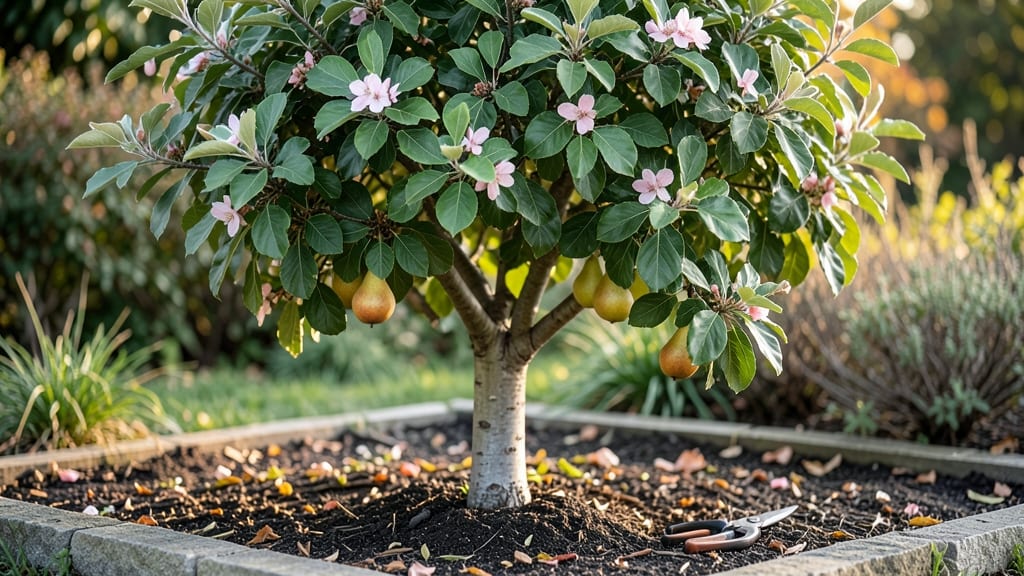
Growing an Asian pear fruit tree in your yard means waking up to fragrant blossoms in spring and crisp, honey-sweet fruit by autumn—plus, those same branches stay lush with foliage all year. 🌿 I planted mine three years ago after struggling with finicky apple trees, and the difference is night-and-day: fewer pests, simpler care, and fruit that actually ripens reliably.
The secret isn’t just the tree itself, but how you prune it—four key cuts that keep it productive, open to sunlight, and resistant to disease.
Start with the right spot: Asian pears thrive in full sun (6+ hours daily) and well-draining soil with a pH between 6.0 and 7.0.
Most varieties handle heat and humidity better than European pears, making them perfect for zones 5 through 9—though they do need winter protection in colder areas. The pruning itself takes under an hour if you focus on removing dead wood, thinning crowded branches, and shaping for airflow.
I’ve seen beginners overcomplicate it, but once you master these four techniques, the tree practically prunes itself.
By summer’s end, you’ll be harvesting fruit that’s juicier than store-bought pears and packed with natural sugars—no thinning required like with apples. The real magic happens in winter when those same branches burst into pale pink blossoms that smell like spring.
Even the leaves stay attractive, turning a soft yellow before falling, so your tree’s a year-round showstopper. The key is pruning after harvest (not in late winter) to avoid removing next year’s flower buds.
Works for both dwarf varieties (great for small yards) and standard trees, and handles urban pollution better than many fruit trees. Here’s how to get started without the common pitfalls—like over-pruning or missing the best time to cut.
📚 In This Guide
- What you need
- Instructions
- Tips and common mistakes
- Wrapping up and next steps
What you need
- ● Asian pear tree: Choose a disease-resistant variety (e.g., Pyrus pyrifolia) from a nursery. Opt for a 1- to 3-year-old bare-root or container-grown sapling for best results.
- ● Planting site: Full sun (6+ hours of direct sunlight daily).
- ● Well-draining soil (pH 6.0–7.0). Amend clay soil with compost or sand if needed.
- ● Pruning tools: Bypass pruners: Sharp, clean, and sanitized (7–10" blades, e.g., Felco or Fiskars).
- ● Loppers: For thicker branches (1.5–2.5" cutting capacity).
- ● Hand saw: For large branches (>2" diameter).
- ● Garden gloves: Heavy-duty, cut-resistant (e.g., Mechanix or Wolverine).
- ○ Pruning sealant: Optional but helpful for large cuts (e.g., Tanglefoot Tree Wound Pruning Sealer).
- ● Mulch: Organic (e.g., wood chips or straw) to retain moisture and suppress weeds (2–4" layer, keep 6" away from trunk).
- ● Watering can or hose: With a gentle spray nozzle for post-pruning hydration.
- ● Tree ties or stretchy fabric: To support young branches during growth.
- ● Fertilizer: Balanced 10-10-10 or organic compost (apply in early spring).
- ● Pest control: Neem oil or insecticidal soap for aphids/mites.
- ● Drip irrigation system: For consistent moisture, especially in hot climates.
- ● Notebook or app: To track pruning dates and tree growth (e.g., Gardenate or PlantNet).
Step-by-Step guide to pruning your Asian pear tree for year-round blooms
Here's how to coax abundant flowers and fruit through all seasons—without stressing the tree.
✂️ Step 1: Time Your First Cut in Late Winter
Prune your Asian pear tree 2-3 weeks before bud break—typically mid-February to early March in most climates. This timing ensures you remove dead wood while preserving next season's flower buds, which form on 1-year-old wood. I always check for swollen buds along branches as my cue that spring's coming.
Use clean, sharp pruners to make 45-degree cuts just above an outward-facing bud. Avoid leaving stubs—this invites disease. If a branch is thicker than your wrist, use loppers instead. The goal is to open the canopy to sunlight, which triggers more blooms. I never remove more than 25% of the tree's foliage in one session.
☀️ Step 2: Thin Out Crowded Branches in Early Spring
Wait until after the first flush of flowers appears (usually late March to April) before thinning. Look for branches that cross or rub against each other—these create wounds and reduce fruit quality. Remove one of the two when they intersect, always cutting back to a bud that faces outward.
Also target suckers (vigorous shoots growing from the base or trunk) and water sprouts (vertical shoots with no buds). These compete with fruit-bearing branches for energy. I like to leave 3-5 main scaffold branches evenly spaced around the trunk—this creates a balanced structure that supports heavy fruit loads.
✂️ Step 3: Light Summer Pruning After Harvest
Once fruit has been harvested (typically August to September), give your tree a light maintenance trim. Focus on deadheading spent blossoms and removing any diseased or broken branches. Asian pears are particularly prone to fire blight, so sterilize your pruners with rubbing alcohol between cuts if you see blackened, oozing cankers.
This is also the time to shape the tree by shortening overly long branches by 1/3. Never remove more than 10-15% of the foliage now—you're preparing the tree for winter dormancy. I always prune on a dry, overcast day to reduce stress on the tree.
⏰ Step 4: Final Winter Cleanup Before Dormancy
In November or December, do a final inspection for dead, diseased, or crossing branches. Remove them to prevent pests from overwintering. This is also when I thin out any overly dense growth in the tree's interior to improve airflow—critical for preventing fungal diseases like powdery mildew.
For trees in warmer climates where Asian pears may bloom multiple times a year, I leave some fruiting spurs (short, stubby branches with clusters of buds) untouched. These spurs produce the most flowers and fruit. After pruning, apply a 2-inch layer of mulch around the base (but not touching the trunk) to protect roots from freeze-thaw cycles.
Tips & tricks for pruning your Asian pear tree
Real talk: The difference between a tree that blooms sporadically and one that produces stunning year-round flowers comes down to these pruning details.
Timing is Everything: Those 2-3 weeks before bud break in Step 1 are non-negotiable. I've seen gardeners miss this window and end up pruning right when flower buds are forming—total disaster for next year's blooms. If you're unsure about bud break timing, check your local weather service for the first frost-free date, then count back 2-3 weeks. For trees in Zone 7 and warmer, this might shift to late January instead of February. The key is to catch that moment when buds are still dormant but about to wake up.
Cutting Technique Matters: The 45-degree angle and outward-facing bud in Step 1 aren't just suggestions—they're essential for proper healing and future growth. I learned this the hard way after making straight cuts that left ugly stubs. Use a reference tool like a small nail or the edge of your pruners to ensure consistent angles. For thicker branches, make two cuts: the first just outside the branch collar, then the second to remove the branch completely. This prevents tearing the bark.
Seasonal Strategy: The summer pruning in Step 3 is where most gardeners go wrong by being too aggressive. Remember, we're only removing 10-15% of foliage at this stage—think of it as a light maintenance rather than a major renovation. I like to work on dry, overcast days because the tree is less stressed by heat and sunlight. If you notice any branches with fire blight (those blackened, oozing cankers), cut back at least 6 inches below the affected area to ensure you remove all infected tissue.
Climate Considerations: For warmer climates mentioned in Step 4, preserving those fruiting spurs is your secret weapon for multiple blooming cycles. These spurs are the powerhouses of your tree—each one can produce dozens of flowers. In colder climates, you might want to be more aggressive with winter pruning to protect against heavy snow loads. The 2-inch mulch layer is especially critical in Zone 5 and colder, where freeze-thaw cycles can damage roots.
Pro Tips for Asian Pear Fruit Tree
- Real talk: The difference between a tree that blooms sporadically and one that produces stunning year-round flowers comes down to these pruning details.
- Timing is Everything: Those 2-3 weeks before bud break in Step 1 are non-negotiable.
- Cutting Technique Matters: The 45-degree angle and outward-facing bud in Step 1 aren't just suggestions—they're essential for proper healing and future growth.
Frequently asked questions
How often should I prune my Asian pear tree?
Prune your Asian pear tree twice a year: once in late winter or early spring (before buds swell) to shape the tree and remove dead wood, and again in summer (after harvest) to encourage new growth. Light trimming between seasons can also help maintain airflow and fruit quality.
When is the best time to plant an Asian pear tree?
The ideal time to plant is in early spring (after the last frost) or fall (6-8 weeks before the first frost). This gives roots time to establish before extreme temperatures. Avoid planting in summer heat or winter cold, as stress can hinder growth.
Why aren’t my Asian pear tree’s fruits ripening?
Fruit may fail to ripen due to insufficient sunlight, poor pollination, or overcrowded branches. Ensure your tree gets 6+ hours of sunlight daily, plant a second variety for cross-pollination, and prune to improve airflow. If issues persist, check for pests or nutrient deficiencies.
Can Asian pear trees survive cold winters?
Most Asian pear varieties are hardy to USDA Zones 5-8, but young trees or tender varieties may need winter protection. Mulch the base, wrap the trunk with burlap, and avoid pruning late in the season. Choose cold-resistant cultivars like ‘Korean Pearl’ or ‘Niitaka’ for colder climates.
What’s a good alternative if I don’t want to prune much?
If pruning feels overwhelming, opt for dwarf or columnar Asian pear varieties, like ‘Centennial’ or ‘Seiryu’. These grow 6-8 feet tall, require minimal shaping, and still produce abundant fruit. Just remove dead branches and thin overcrowded areas annually for best results.
Wrapping up and next steps
Growing an Asian pear fruit tree with year-round blooms is a rewarding journey—especially when you master the four pruning secrets to shape its beauty and productivity! 🌸 From winter dormancy cuts to summer shaping, each step ensures your tree thrives while delivering stunning flowers and delicious fruit.
With the right tools, timing, and techniques, you’ll turn pruning from a chore into a creative ritual that keeps your tree healthy, abundant, and eye-catching all year long.
Ready to take the next step? Start small: pick one season’s pruning tips to practice, then gradually expand your skills. Before you know it, your Asian pear tree will be the star of your garden—and your table! 🍐✨