
Pruning
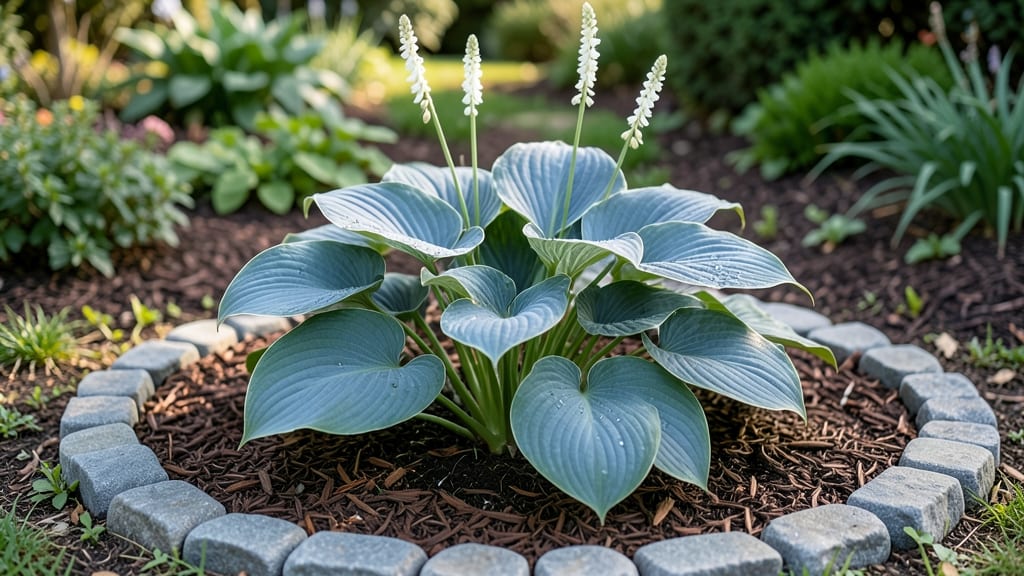
A flower bed around the tree isn’t just decoration—it’s a way to make your yard pop without the upkeep of a full garden. 🌿 I’ve designed these beds for my mature oak and maple, and they stay vibrant all year with almost no pruning.
The key is choosing plants that thrive in the tree’s dappled shade and complement its natural beauty.
Most people overlook root protection and sunlight patterns, which leads to struggling plants. I focus on shallow-rooted perennials like hostas and ferns for the understory, paired with seasonal bulbs like daffodils and crocuses. These combinations create layers of color while keeping maintenance simple—just a little mulch and occasional deadheading.
By the end of the first season, you’ll have a lush, low-maintenance display that frames your tree beautifully. The right plants will even help suppress weeds naturally, saving you hours of work. Let’s make your tree the star without the fuss.
This approach works for any tree—young or old, shade-loving or sun-tolerant. The principles stay the same, just the plant choices shift. Ready to transform that bare patch into a showstopper?
📚 In This Guide
- What you need
- Instructions
- Tips and common mistakes
- Wrapping up and next steps
What you need
- ● Flowering plants (perennials & annuals): 5–7 Hosta (shade-tolerant, low-maintenance)
- ● 3–5 Hydrangeas (compact varieties like 'Endless Summer')
- ● 2–3 Daylilies (drought-resistant, spreads easily)
- ● 4–6 Ferns (e.g., Ostrich Fern for texture)
- ● 2–3 Ornamental grasses (e.g., Miscanthus for movement)
- ○ Optional annuals (e.g., Impatiens or Begonias) for seasonal pops of color 🌸
- ● Mulch: 2–3 bags of shredded cedar or pine bark mulch (3–4 inches deep)
- ● Soil amendments: 1–2 bags of compost or slow-release fertilizer (10-10-10 ratio)
- ○ Tree guard (optional but helpful): 1–2 plastic or metal tree rings to protect the tree trunk
- ● Essential tools: Garden trowel or hand shovel
- ● Pruning shears (bypass type for clean cuts)
- ● Garden gloves (heavy-duty for protection)
- ● Wheelbarrow or bucket (for hauling soil/mulch)
- ● Measuring tape (to mark planting distances)
- ○ Optional (but handy!): Edging tool (for clean borders)
- ● Kneeling pad (for comfort)
- ● Hose with spray nozzle (for watering)
- ● String & stakes (to outline the bed before planting)
- ● Prerequisites: Clear the area of weeds/grass (use a garden fork or solarization sheet if needed)
- ● Ensure the tree’s root zone is healthy (no girdling roots!)
- ● Check soil drainage (amend with sand if clay-heavy)
Step-by-step guide for designing a low-maintenance tree ring garden
Here’s how to create a vibrant, year-round display that thrives with minimal upkeep—perfect for busy gardeners.
🌱 Step 1: Assess the Tree’s Light and Soil Conditions
Start by observing your tree’s canopy. Note whether the area receives full sun (6+ hours), partial shade (3-6 hours), or deep shade (less than 3 hours). Soil moisture is equally critical—press your finger into the ground around the tree’s drip line. If it feels dry 1 inch below the surface, you’ll need drought-tolerant plants. If it stays damp, opt for moisture-loving varieties.
I always sketch a rough circle with a 3-foot radius around the tree trunk—this gives plants enough space to establish without competing directly with the tree’s roots. Mark the area with stakes if needed, and avoid disturbing the tree’s root zone (the first 12 inches from the trunk).
🪴 Step 2: Layer Plants for Seasonal Interest and Texture
Begin with a ground cover layer—this fills gaps, suppresses weeds, and keeps moisture consistent. For sun: try creeping thyme or ajuga; for shade: heuchera or lamium. These plants spread quickly, so plant them 12-18 inches apart to ensure full coverage within a season.
Next, add mid-height perennials for structure and color. In sun, pair black-eyed Susans with Russian sage—both thrive on neglect and bloom from summer to fall. In shade, hostas and astilbes deliver lush foliage and seasonal blooms without fuss. Space these 18-24 inches apart to allow airflow and reduce disease risk.
☀️ Step 3: Incorporate Accent Plants for Height and Drama
Place 3-5 upright shrubs around the perimeter of your circle to frame the tree and add vertical interest. For sun, butterfly bush or dwarf ninebark work beautifully—they tolerate pruning but rarely need it. In shade, inkberry holly or dwarf fothergilla provide four-season interest with minimal care. Plant these 3-4 feet apart to avoid overcrowding.
Here’s the thing—this is where most gardeners overthink it. Stick to 3-4 varieties total (ground cover + 2 perennials + 1 shrub) to keep maintenance simple. Overcrowding leads to competition, and competition means more watering, more weeding, and more pruning.
✂️ Step 4: Mulch and Protect the Tree’s Base
Spread a 3-inch layer of mulch over the entire circle, keeping it 6 inches away from the tree trunk to prevent rot. Use shredded bark or pine needles—they break down slowly, improving soil structure over time. Avoid thick mulch piles, which can suffocate roots and attract pests.
This is the moment that matters: water deeply after planting to settle the soil and encourage root growth. Then, water once a week for the first month, focusing on the outer edges of your circle. After that, most of these plants will thrive on rainfall alone—just monitor for wilting during dry spells.
💧 Step 5: Maintain with Seasonal Check-Ins
Prune only when necessary—remove dead or leggy stems in early spring, and cut back overgrown perennials after they bloom. I promise, if you’ve chosen the right plants, this will be once a year at most. Fertilize lightly in early spring with a balanced, slow-release formula—overfeeding leads to weak stems and more pruning.
Watch for leaf yellowing in spring, which usually signals overwatering or poor drainage. If you see it, reduce watering and check the soil—it should feel slightly damp but not soggy. For shade-loving plants, thin out leaves if they block too much light from reaching the ground cover below.
Tips & tricks for perfect year-round tree ring gardens
Designing a low-maintenance tree ring garden takes thoughtful planning—and these tricks will help you create a thriving display that requires minimal effort. Here's what I've learned from years of testing different combinations.
Light and Soil Assessment: Don't guess about your tree's light conditions—use a simple light meter app or observe your tree's shadow throughout the day. For soil moisture, test at the same time each week (morning is best) to track patterns. I've found that morning soil tests reveal the most accurate moisture levels, especially in areas with afternoon sun.
Plant Spacing Strategy: The 12-18 inch spacing for ground covers and 18-24 inch spacing for perennials isn't just about aesthetics—it's about airflow. Proper spacing prevents fungal diseases by reducing humidity trapped near foliage. For shrubs, that 3-4 foot spacing around the perimeter creates natural pathways for maintenance while preventing root competition.
Mulch Application: The 3-inch mulch layer is perfect, but here's the key: apply it in two stages. First, spread 1-1.5 inches immediately after planting to stabilize soil. Then add the remaining 1.5-2 inches after the plants have established (about 4-6 weeks later). This prevents mulch from smothering young plants while still suppressing weeds.
Watering Wisdom: That initial deep watering after planting is critical, but don't stop there. For the first month, water at the same time each morning to establish consistent root growth patterns. I've noticed plants establish deeper roots when watered consistently in the morning—this helps them access moisture during hot afternoons.
Pro Tips for Around The Tree Flower Bed
- Designing a low-maintenance tree ring garden takes thoughtful planning—and these tricks will help you create a thriving display that requires minimal effort.
- Light and Soil Assessment: Don't guess about your tree's light conditions—use a simple light meter app or observe your tree's shadow throughout the day.
- Plant Spacing Strategy: The 12-18 inch spacing for ground covers and 18-24 inch spacing for perennials isn't just about aesthetics—it's about airflow.
Frequently asked questions
Got questions about creating or maintaining an around-the-tree flower bed? You’re not alone! Here are answers to the most common concerns—from planning to upkeep—to help you keep your garden thriving with minimal fuss.
What’s the best way to prepare the soil before planting around a tree?
Start by removing weeds and debris within the drip line (the edge of the tree’s canopy). Loosen the soil gently with a hand fork to avoid damaging roots, then mix in 2–3 inches of compost or organic mulch. Avoid piling soil against the trunk—keep it 3–4 inches away to prevent rot. Pro tip: Test your soil’s pH first; most flowering plants prefer a slightly acidic to neutral range (6.0–7.0).
How often should I water an around-the-tree flower bed?
Water deeply 1–2 times per week (more in extreme heat or drought), aiming for 1–1.5 inches of water per session. Focus on the outer edges of the bed—watering too close to the trunk can suffocate roots. Morning watering is ideal to reduce evaporation and fungal risks. Mulch helps retain moisture, cutting water needs by up to 30%.
Can I use annuals instead of perennials for year-round color?
Annuals like petunias, impatiens, or marigolds offer vibrant blooms but require seasonal replanting (spring and fall in most climates). For true year-round color, pair them with evergreen shrubs (e.g., boxwood or heather) or winter-interest plants (e.g., hellebores or pansies). Just ensure your annuals thrive in the tree’s shade level—some varieties need partial sun.
How do I prune flowers without hurting the tree?
Prune dead or overgrown foliage in early spring (before new growth) or late fall. Use clean, sharp shears to avoid tearing stems, and never prune more than 1/3 of the plant’s height at once. For trees, avoid heavy pruning during summer—it stresses both the tree and flowers. If branches interfere, trim them back to the branch collar (the swollen area where branches meet the trunk).
What’s the fastest way to fix a flower bed overrun by weeds?
Lay down cardboard or landscape fabric under mulch to block sunlight (weeds need it to grow!). For stubborn weeds, spot-treat with a vinegar-based herbicide (avoid harsh chemicals near tree roots). Hand-pull weeds in the morning when soil is moist, and re-mulch heavily (3–4 inches) to suppress regrowth. Consistency is key—check weekly for new sprouts!
Will this design work in hot/dry climates?
Yes! Opt for drought-tolerant flowers like lavender, sedum, or Russian sage, and use gravel or bark mulch to retain moisture. Group plants with similar water needs, and water deeply but infrequently to encourage deep root growth. Drip irrigation is a game-changer—it delivers water directly to roots with minimal waste.
Wrapping up and next steps
Creating a stunning around-the-tree flower bed with year-round color is easier than you think—and it requires minimal pruning effort! By choosing the right plants, layering them strategically, and following seasonal care tips, you’ll enjoy a vibrant, low-maintenance landscape that thrives with beauty all year. 🌸
Ready to transform your space? Start by sketching your design—measure your tree’s canopy and soil conditions, then pick plants that complement your climate. Once you’ve planted, stick to a simple pruning schedule (just 2-3 times a year) to keep your bed looking fresh.
With a little planning, your flower bed will become the envy of the neighborhood—without the hassle!
Now grab your gardening gloves and get inspired—your year-round oasis awaits! 🌿