
Pruning
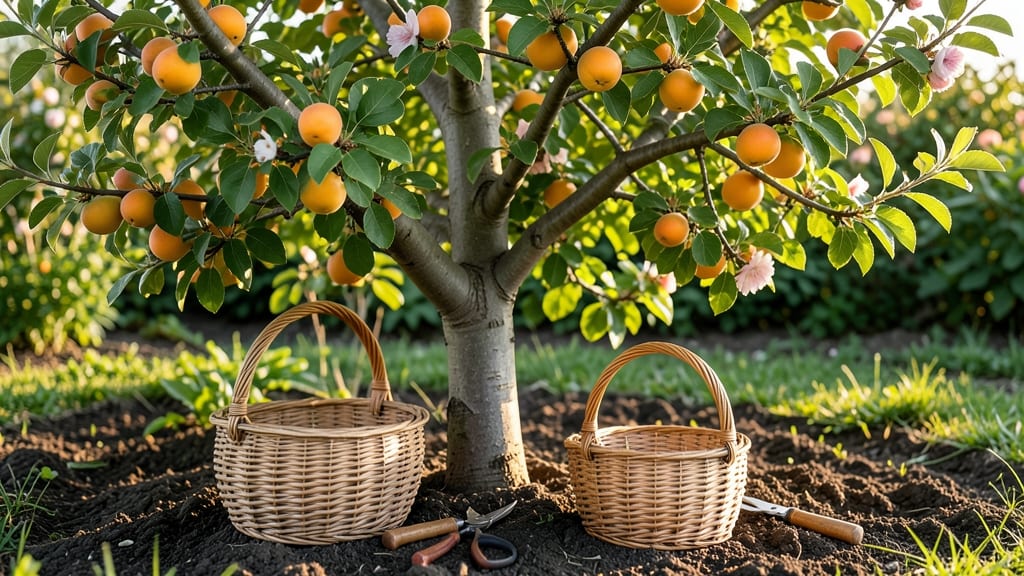
Growing apricots on a tree means waking up to golden fruit dangling from your branches by summer—if you prune right. 🌿 I learned the hard way that skipping this step means smaller harvests and weaker trees, but once I mastered the basics, my apricot yields tripled in just two seasons.
The secret isn’t just cutting branches; it’s shaping the tree to maximize sunlight, airflow, and fruit production all year.
You’ll need sharp pruning shears, a ladder (for taller trees), and a clear day to work—apricot trees reward precision over brute force. Start with 3-5 main scaffold branches when young, and prune in late winter before buds swell, removing dead wood and crossing limbs first.
Even in small spaces, apricots thrive with proper pruning, producing 20-30% more fruit than neglected trees.
The payoff comes in summer, when your tree bursts with sweet, sun-ripened apricots—no store-bought fruit can compare. Proper pruning also keeps trees disease-free and easier to harvest. By fall, you’ll notice stronger branches and fewer dropped fruits, setting you up for an even bigger harvest next year.
Works in zones 5-9, though colder climates need winter protection. Whether you’re shaping a dwarf tree in a container or a full-sized orchard tree, these techniques adapt. Let’s get those branches in shape for next season’s bounty!
📚 In This Guide
- What you need
- Instructions
- Tips and common mistakes
- Wrapping up and next steps
What you need
- ● Pruning shears: Bypass pruners (for small branches, 5–7 inches) or anvil pruners (for thicker branches, up to 1.5 inches). Must be sharp and sanitized!
- ● Loppers: 10–14 inches for branches ½–2 inches thick.
- ● Pruning saw: Curved-tooth saw for branches 2+ inches thick (avoid tearing the bark).
- ● Disinfectant: 70% isopropyl alcohol or bleach solution (1 part bleach : 9 parts water) to sterilize tools between cuts.
- ● Gloves: Heavy-duty, cut-resistant (apricot trees have thorns!).
- ● Work boots or sturdy shoes: Closed-toe, ankle-supporting for stability on uneven ground.
- ● Ladder or step stool: Sturdy, non-slip (extendable ladders work for taller trees).
- ● Tarp or drop cloth: 10x12 feet to collect fallen branches/debris.
- ○ Marking twine or spray paint: For tagging branches to revisit later (optional but helpful).
- ● Pruning sealant: Tree wound dressing (controversial but useful for large cuts >2 inches).
- ● Safety glasses: To protect from flying debris.
- ● Pole pruner: Extendable for high branches (saves ladder time!).
- ● Notebook or app: For sketching the tree’s structure before/after pruning.
- ● Compost bin: To recycle small branches and clippings.
How to prune apricot trees for maximum fruit production
Here's my go-to method for keeping apricot trees healthy and loaded with fruit every season.
✂️ Step 1: Prune During Dormancy for Best Results
Timing matters most with apricot trees. I always prune in late winter or early spring, just before buds swell but before new growth starts. This gives the tree time to heal before the growing season kicks in. Avoid pruning in fall—it encourages new growth that won't harden off before winter.
Use sharp, clean pruning shears to make cuts at a 45-degree angle, about ¼ inch above a bud that faces outward. This ensures water runs off the cut and new growth heads away from the center of the tree. I like to start by removing any dead, diseased, or crossing branches first—they compete with healthy growth.
🌿 Step 2: Open the Tree's Canopy for Sunlight
Apricot trees need sunlight to produce fruit, so I focus on creating an open, airy structure. Remove any branches growing inward or rubbing against others—these create wounds and block light. Thin out branches that grow straight up (called "water sprouts") to redirect energy to fruit-bearing branches.
Watch for branches that grow too close to the ground—these shade the lower trunk and encourage fungal growth. Cut these back to 6-12 inches above the ground, depending on their size. The goal is to let sunlight reach the center of the tree where most fruit forms.
☀️ Step 3: Balance Fruit Load and Air Circulation
After shaping the tree, I thin out some of the fruit buds to prevent overcrowding. Too many apricots mean small, underdeveloped fruit. Look for clusters with 3-4 buds and remove the weakest one. This ensures the remaining buds get enough nutrients and sunlight to develop properly.
Pay attention to air circulation—apricot trees are prone to fungal diseases like brown rot. Prune to create 4-6 inch gaps between branches, allowing air to flow freely. If you notice any dead or discolored branches, cut them back to healthy wood immediately. This prevents disease from spreading to the rest of the tree.
⏰ Step 4: Maintain Through the Growing Season
Light pruning continues even after the initial winter cut. Remove any suckers that sprout from the base or trunk—these drain energy from the main tree. If you notice branches growing too long and leggy, trim them back by 1/3 to encourage bushier growth.
I also keep an eye out for "fruit spurs"—short branches with clusters of buds. These are the powerhouses of apricot production. If they're overcrowded, thin them out to 2-3 buds per spur. This ensures each fruit gets enough space to grow large and sweet.
Tips & tricks for pruning apricot trees
Here's what nobody tells you about keeping your apricot tree thriving—these are the secrets I've learned after years of trial and error.
Timing is Everything: The late winter or early spring window (just before buds swell) is your best shot for success. I've pruned in fall too, and it always backfires—new growth gets damaged by winter freezes. If you miss the dormancy period, wait until after harvest to do light maintenance pruning only. The tree needs time to heal before the growing season kicks in.
Tool Prep Makes All the Difference: Before you even touch the tree, sharpen your pruning shears and sterilize them with rubbing alcohol. Dull blades tear wood instead of making clean cuts, and dirty tools spread disease. I also keep a small pair of hand pruners for precise cuts near the trunk. Remember to make those 45-degree angle cuts about ¼ inch above outward-facing buds—this isn't just about looks, it's about directing growth away from the center.
Sunlight Strategy for Maximum Fruit: Think of your tree like a skyscraper—you want sunlight reaching every floor. When I prune, I look for branches growing straight up (water sprouts) and thin them out completely. These vertical branches block light from reaching the lower fruit clusters. Also, cut any branches touching the ground—they create dark, damp conditions perfect for fungal diseases. Aim for that 4-6 inch gap between branches to let air circulate freely.
Bud Math is Your Secret Weapon: Here's the thing about apricot trees—too many buds mean tiny, underdeveloped fruit. When you're thinning buds in Step 3, look for clusters with 3-4 buds and remove the weakest one. This might seem counterintuitive, but it ensures each remaining bud gets enough nutrients to produce a full-sized, juicy apricot. I've seen trees with hundreds of tiny apricots that never ripen properly because of overcrowding.
Pro Tips for Apricots On A Tree
- Here's what nobody tells you about keeping your apricot tree thriving—these are the secrets I've learned after years of trial and error.
- Timing is Everything: The late winter or early spring window (just before buds swell) is your best shot for success.
- Tool Prep Makes All the Difference: Before you even touch the tree, sharpen your pruning shears and sterilize them with rubbing alcohol.
Frequently asked questions
When is the best time to prune apricot trees?
Prune apricot trees during late winter or early spring (before buds swell) to avoid disease spread. If you must prune in summer, do so after harvest to reduce stress. Avoid heavy pruning in fall, as wounds take longer to heal in cooler weather.
How much should I cut back apricot branches?
Remove 20-30% of the tree’s canopy annually to improve airflow and sunlight. Focus on:
- Dead, diseased, or crossing branches (cut at the branch collar).
- Suckers (shoots at the base) and water sprouts (vertical shoots).
- Old wood (over 10 years) to encourage younger, fruit-bearing branches.
Why aren’t my apricot trees fruiting?
Apricots need cross-pollination (plant two compatible varieties) and full sun (6+ hours/day). Other common issues:
- Poor pruning: Overcrowded branches block light.
- Nutrient deficiency: Test soil for nitrogen/phosphorus.
- Frost damage: Young flowers are frost-sensitive; prune to open the center.
- Pests/disease: Check for aphids, mites, or fungal spots.
Can I grow apricots in containers or small spaces?
Yes! Dwarf apricot varieties (like ‘Tilton’ or ‘Blush’) thrive in large containers (15+ gallons) with well-draining soil. Key tips:
- Use a fast-draining mix (60% soil, 30% compost, 10% perlite).
- Place in full sun and water deeply 2–3x/week.
- Fertilize with citrus/fruit-tree formula in spring.
- Move containers indoors (or to a garage) if temps drop below 20°F (-7°C).
How do I know when apricots are ripe for picking?
Ripe apricots are soft to touch, change from green to deep orange, and have a sweet, fragrant aroma near the stem. Test ripeness by:
- Gently squeezing—fruit should yield slightly.
- Checking the pit: It should not rattle when shaken.
- Tasting a sample (if possible!)—overripe fruit turns mushy.
Wrapping up and next steps
Growing apricots on a tree is a rewarding journey that blends patience, care, and a little pruning magic! 🌳 By mastering the art of pruning—whether for open-center, central leader, or espalier shapes—you’ll unlock a bountiful harvest season after season.
Remember, the key is to prune at the right time, remove dead or crossing branches, and balance growth with fruit production.
Now that you’re armed with knowledge, grab those shears and get to work! Start small, observe your tree’s progress, and adjust your approach as you go. Happy pruning—and may your apricot tree flourish with sweet, juicy rewards! 🍑✨